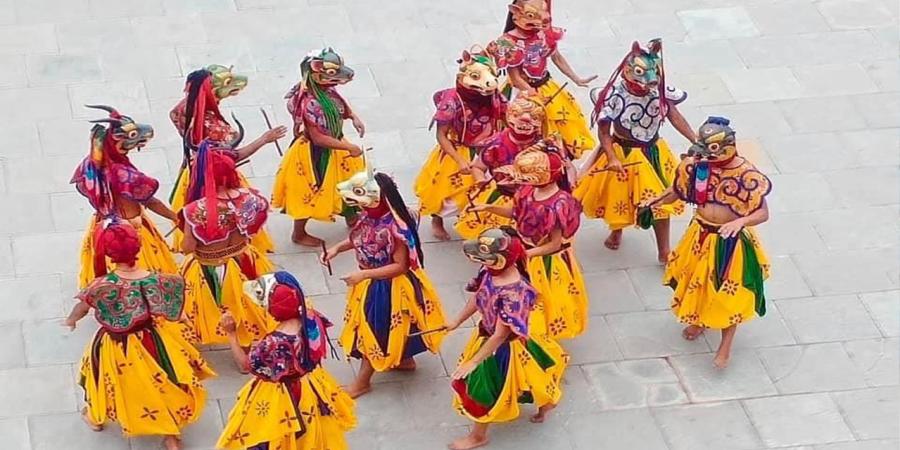
Chhaam Dance: The Sacred Masked Ritual, at Pedong Monastery in Kalimpong District
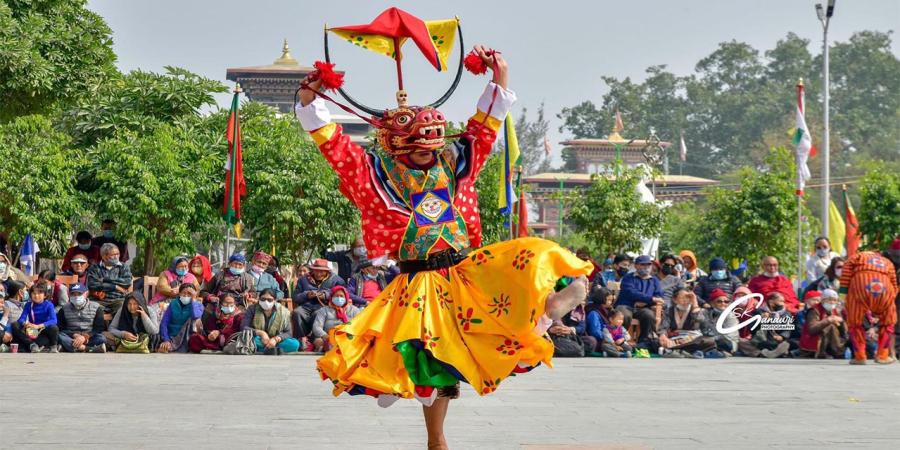
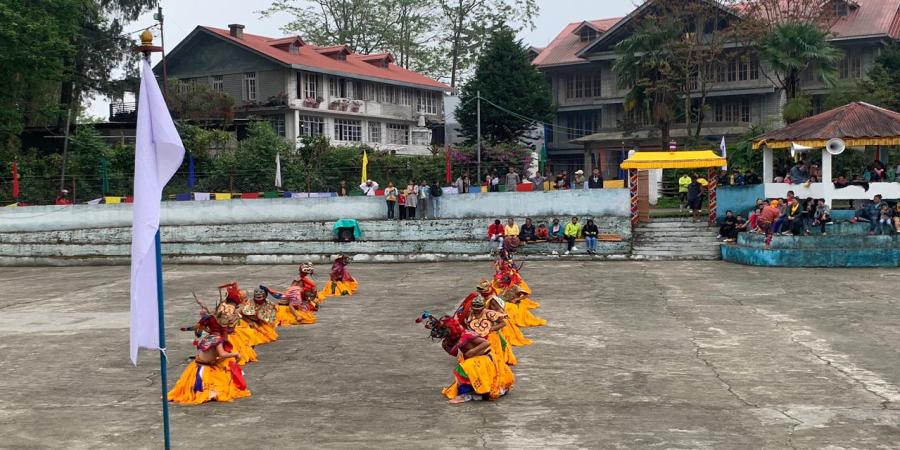
The Chhaam (also spelled “Chaam”) is a vibrant, sacred masked dance performed by Buddhist monks, particularly in Tibetan and Bhutanese Buddhist traditions. At Sangchen Dorjee Monastery, it is one of the most important annual rituals, deeply embedded in the spiritual life of the monastery and surrounding communities. The Chhaam carries distinct Bhutanese influences, unlike other monasteries in Sikkim or Darjeeling. Because of the monastery’s historical Bhutanese origin and its affiliation with the Drukpa Kagyu sect, the dance includes rare Bhutanese choreography and ritual forms, making it culturally unique.
At Sangchen Dorjee Monastery, the Cham dance is typically held during the Tibetan second lunar month—usually March or April. This corresponds with the Lhosar (Tibetan New Year) celebrations or specific Guru-centric festivals, depending on the monastery’s calendar.
What Happens in the Cham Dance
1. Masked Monks:
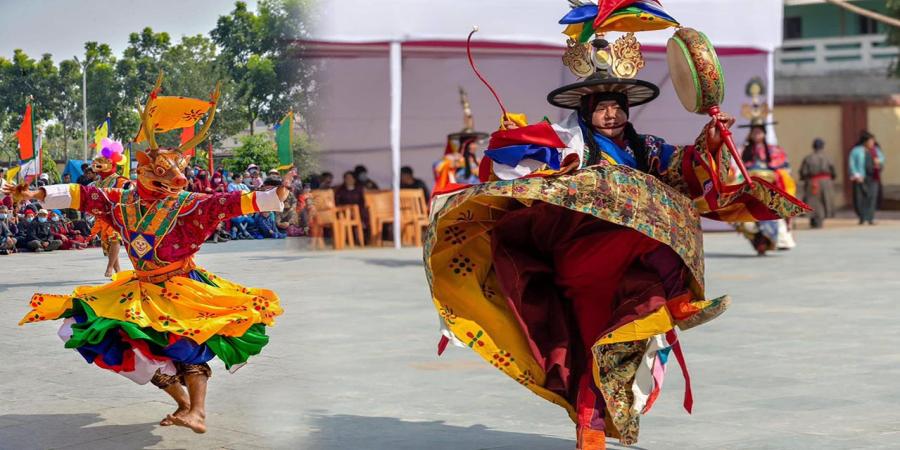
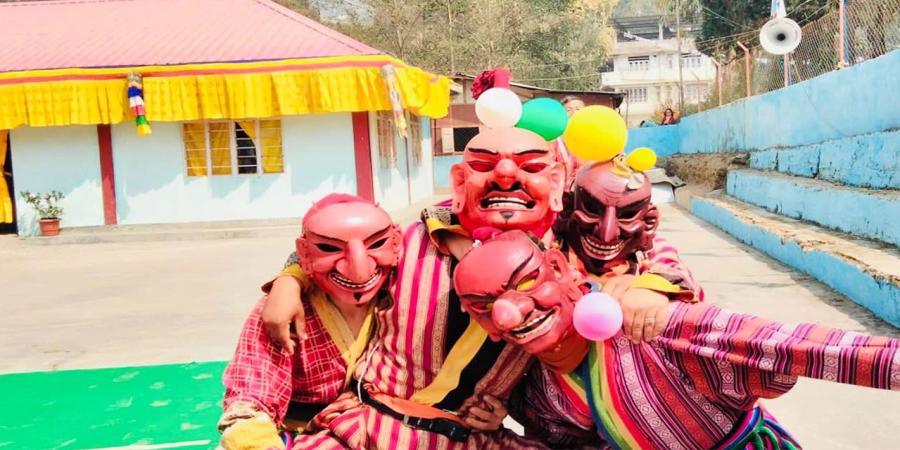
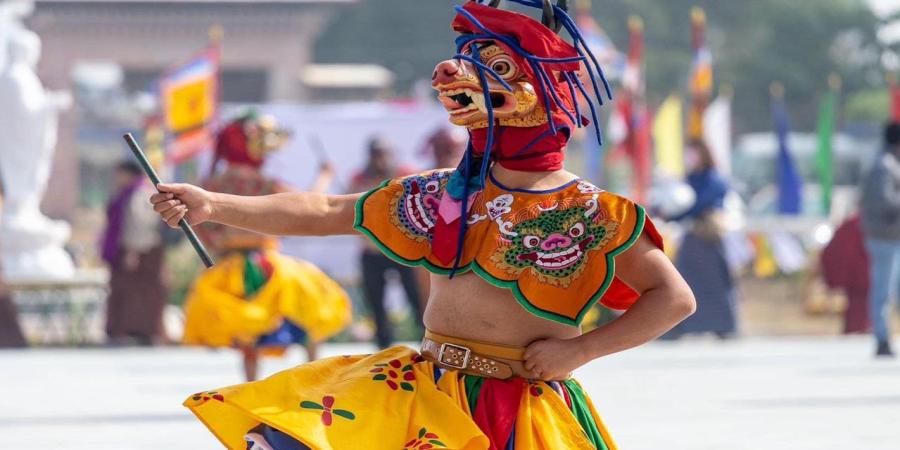
Monks wear elaborate, colorful masks representing various deities, demons, animals, and spirits. The masks are made of papier-mâché or wood and often include fearsome expressions to represent wrathful protectors or symbolic forces.
2. Traditional Costumes:
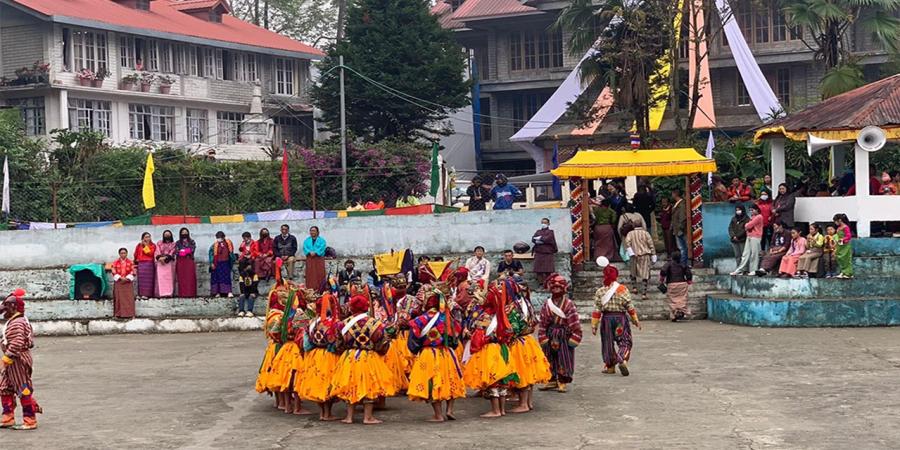
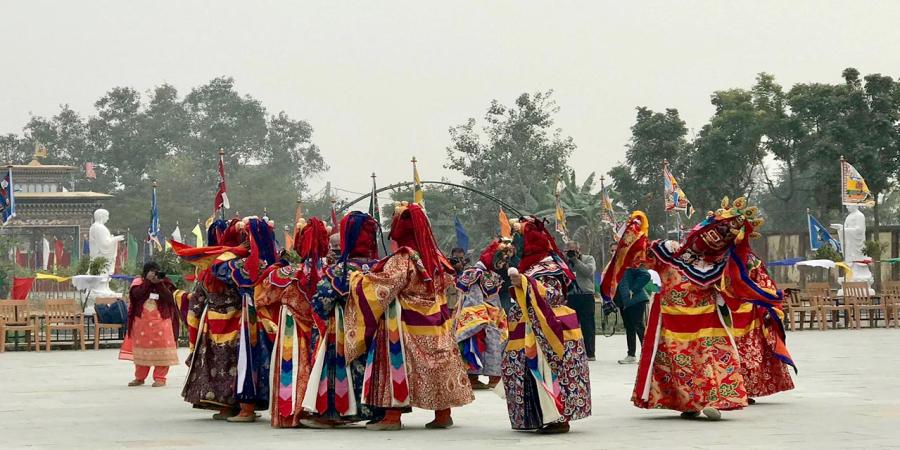
The dancers don flowing silk robes, bells, and other ceremonial attire that add grandeur and rhythm to their movements.
3. Symbolic Movements:
The dance steps are not random—they follow precise patterns of sacred choreography passed down for generations. Each gesture or spin represents aspects of karma, purification, and cosmic balance.
4. Musical Accompaniment:
Traditional Tibetan instruments such as dungchen (long horns), gyaling (reed pipes), drums, cymbals, and conch shells create a deep, immersive soundscape that guides the rhythm of the performance.
5. Tantric Meaning:
Cham is not just performance—it is moving meditation. The monks are believed to embody enlightened beings, and through the dance, they purify negative energies, bless the land, and remove spiritual obstacles.
It is not just a tourist spectacle—it is a living, breathing tradition where monks undergo weeks of spiritual preparation, including fasting, mantra chanting, and meditation before performing.

Tags
Other Regions
Ramdhura
2025-06-28 13:58:11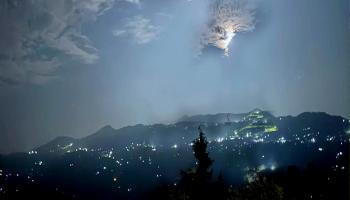
Kagey
2025-06-28 14:40:20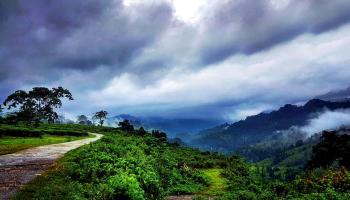
Lolay
2025-06-28 13:49:34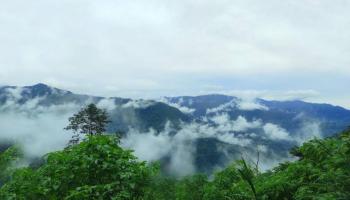
Pudung
2025-06-30 10:59:51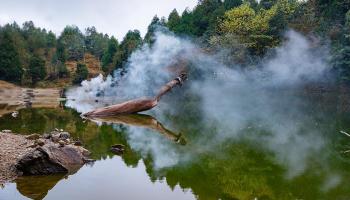
Mulkharka
2025-06-28 14:51:10
Sangser
2025-07-20 20:40:51
Chisang
2025-06-30 10:59:01
Algarah/Lava
2026-03-13 09:03:23
Pedong
2025-06-28 14:02:13
Rishap
2025-06-28 14:15:27