
Sakela Celebration
The Importance of Sakela Celebration at Kalimpong Delo Mankhim
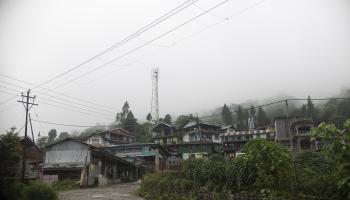
The Sakela celebration at Kalimpong Delo Mankhim holds deep cultural, spiritual, and social significance for the Kirati Khambu Rai community, a prominent indigenous group of the eastern Himalayas. Delo Mankhim, nestled in the serene hilltops of Kalimpong, serves as a sacred space and central point of identity for the Khambu Rai people in the region.
1. Spiritual Connection to Nature and Ancestors
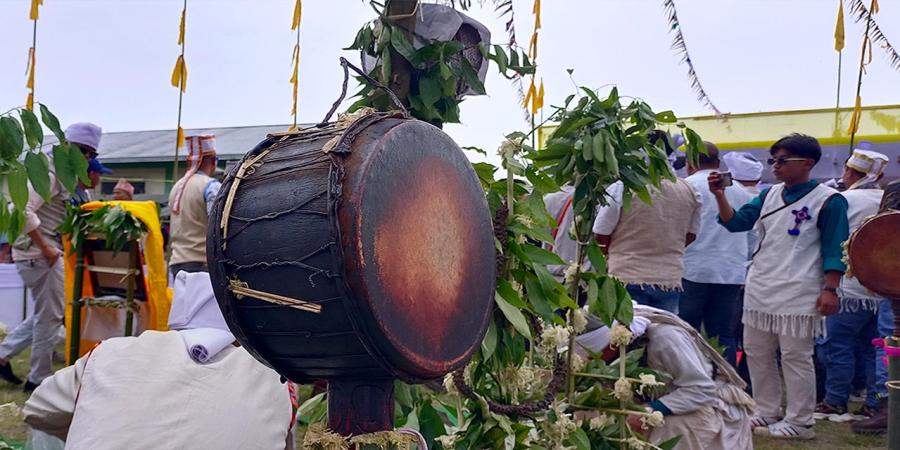
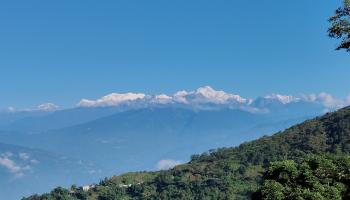
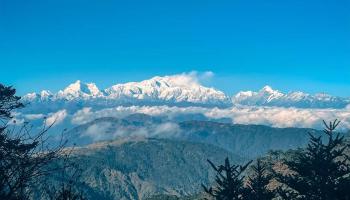
Sakela, also known as Ubhauli (in spring) and Udhauli (in autumn), is not just a festival—it is a ritual that expresses gratitude to nature and ancestors. The celebration at Delo Mankhim is especially significant because this Mankhim (shrine) is considered a powerful spiritual center. The open sky, lush greenery, and panoramic Himalayan backdrop make it the perfect place to offer prayers for a good harvest, harmony with nature, and protection of all living beings.
2. Revival and Preservation of Culture
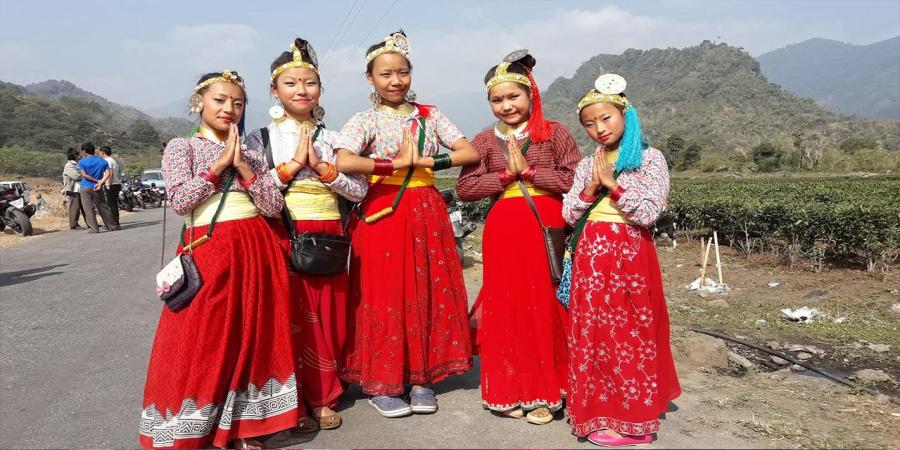
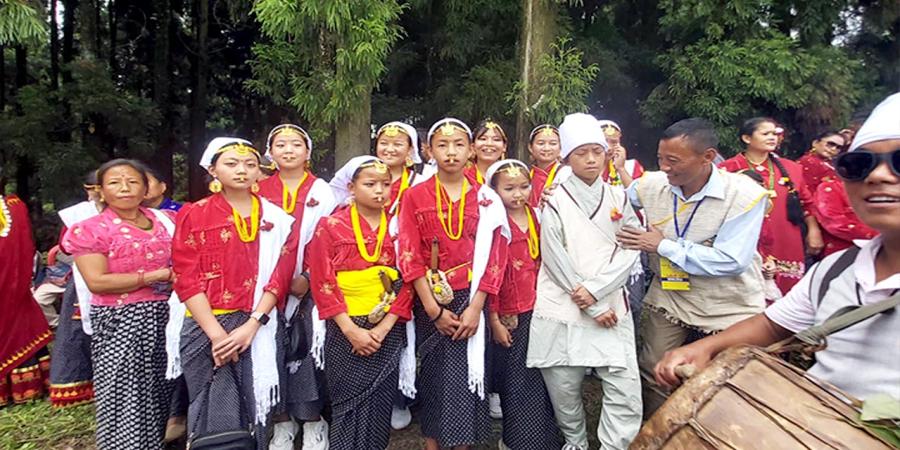
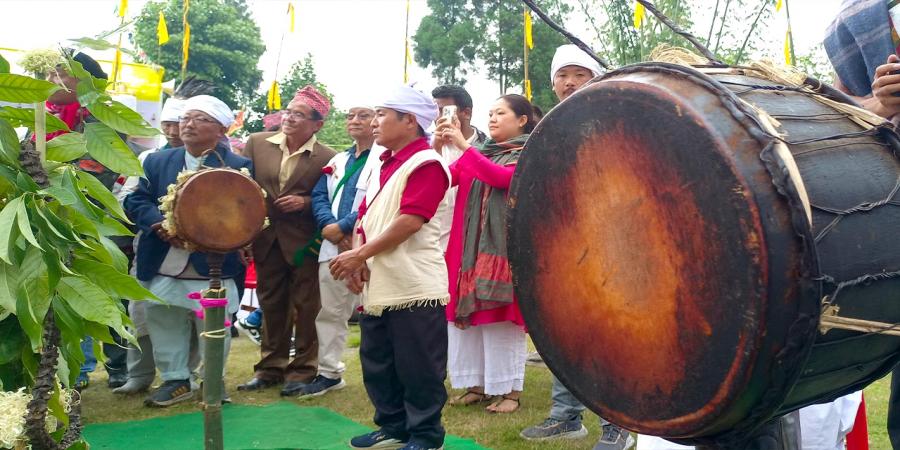
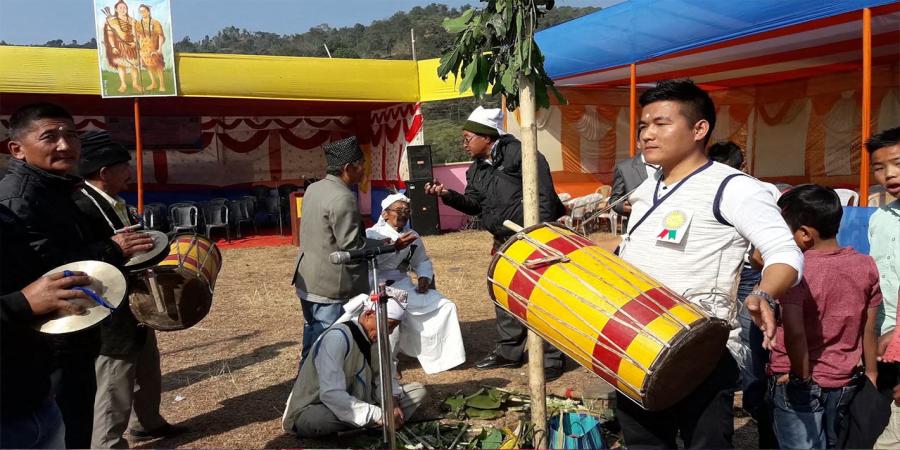
In Kalimpong, a region known for its ethnic diversity, the Sakela at Delo Mankhim plays a vital role in preserving the unique identity of the Kirati Khambu Rai people. The rhythmic Sili dance, traditional Rai dress, playing of the madal (drum), and community feasting are all expressions of cultural pride. Through this celebration, younger generations learn about their roots, language, rituals, and values—strengthening cultural continuity.
3. Social Unity and Identity
The Sakela celebration is a symbol of unity, not just for the Rai community but also for other ethnic groups in Kalimpong who join in support and solidarity. It fosters a sense of belonging, mutual respect, and communal harmony. Delo Mankhim becomes a space for inter-community bonding, where people come together beyond caste or creed to enjoy and witness indigenous cultural richness.
4. Religious Significance of Delo Mankhim
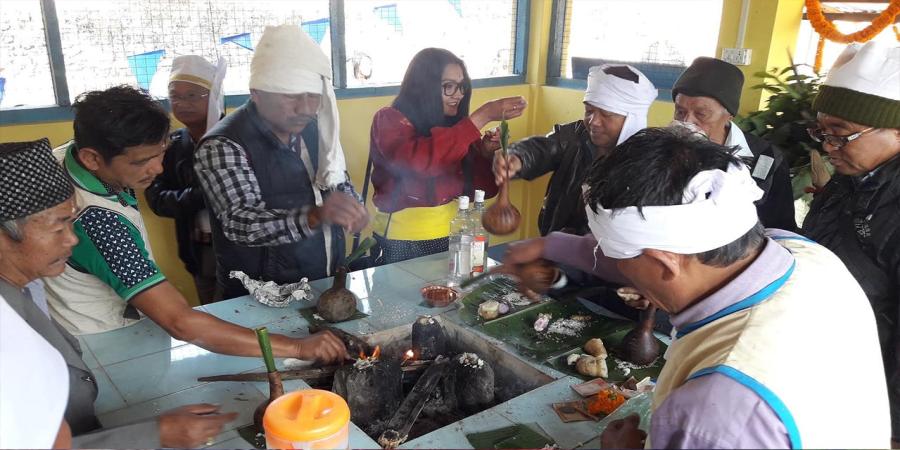
The Mankhim at Delo is one of the most sacred shrines for the Rai people in the Kalimpong district. Celebrating Sakela here adds a deeper religious dimension. It is believed that worship and dances performed here are more powerful and fulfilling. Elders lead the rituals, and priests (Nakchhong) conduct the traditional ceremonies, reinforcing the sacred customs handed down through generations.
5. Promotion of Indigenous Tourism and Education
As Kalimpong develops as a tourist destination, the Sakela celebration at Delo Mankhim has also become a way to educate visitors about indigenous Gorkha traditions. It promotes cultural tourism and creates awareness about the environmental philosophies and inclusive way of life practiced by the Kirati people.
Conclusion
The celebration of Sakela at Kalimpong Delo Mankhim is more than a cultural event—it is a vibrant expression of indigenous wisdom, environmental gratitude, and ethnic pride. It keeps alive the ancient traditions of the Kirati Khambu Rai community while promoting unity, education, and cultural resilience in a rapidly changing world. For the people of Kalimpong and beyond, this celebration is a reminder of the deep spiritual bond between humans and nature, and the enduring legacy of ancestral heritage.

Tags
Other Regions
Sangser
2025-07-20 20:40:51
Kagey
2025-06-28 14:40:20
Gorubathan
2025-06-28 10:55:47
Rishap
2025-06-28 14:15:27
Pedong
2025-06-28 14:02:13
Munsong
2025-06-28 13:52:11
Dalgaon (Rongo)
2025-06-28 12:25:24
Algarah/Lava
2026-03-13 09:03:23
Paren
2025-06-12 12:04:12
Kumai
2025-06-28 11:49:21