About Gorubathan
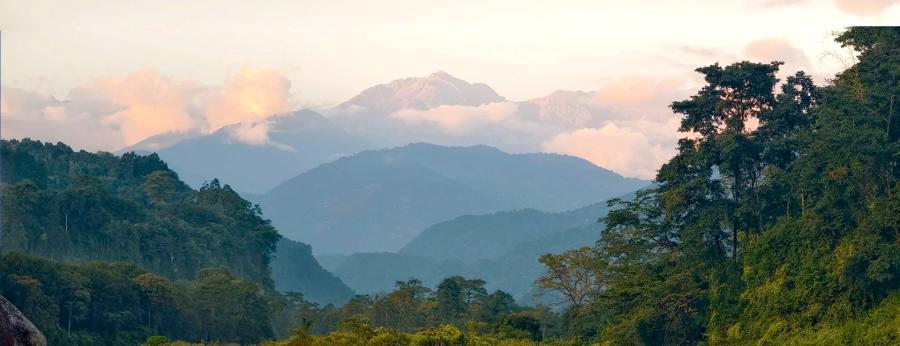
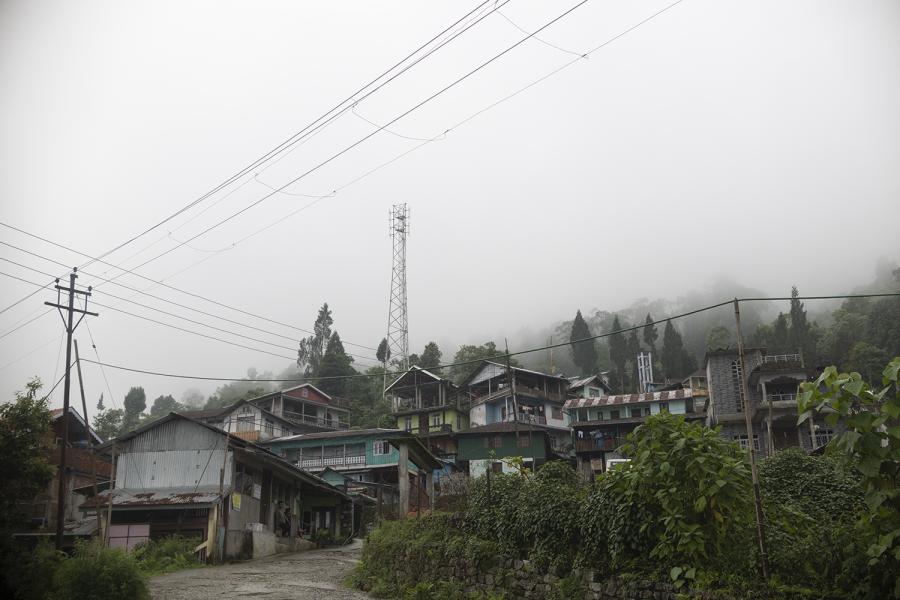
Tucked away in the eastern edges of the Kalimpong District. Gorubathan is a charming place embraced by nature’s finest elements. Located approximately 60 km from Siliguri and 90 km from Kalimpong, this offbeat destination offers a peaceful retreat for travelers seeking the quiet charm of the hills.
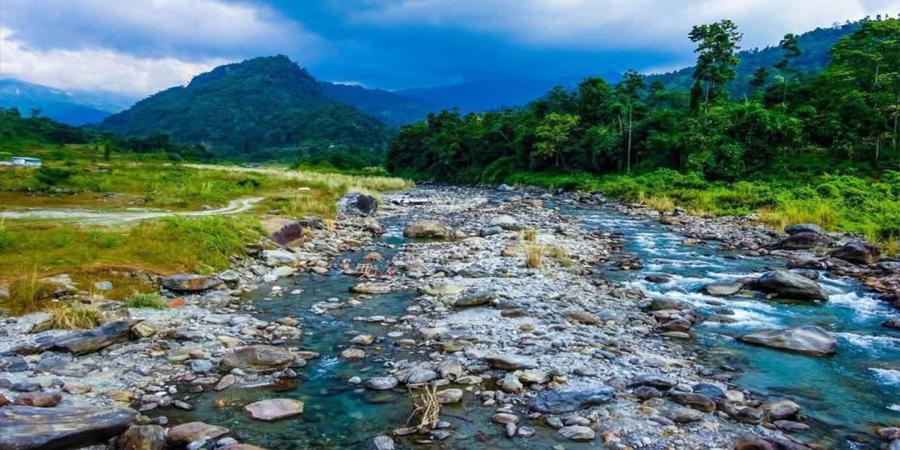
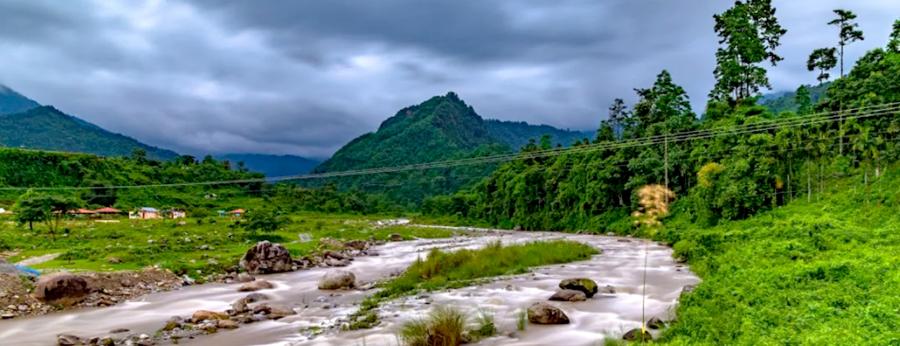
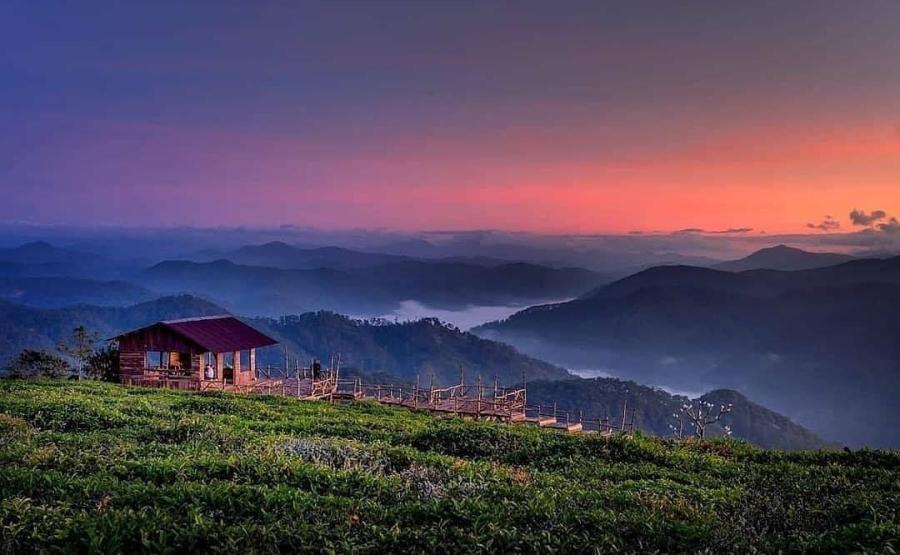
The town sits beautifully between the Neora and Chel Rivers, whose banks are dotted with scenic picnic spots and winding trails. Explore the serene Fagu Khola and Chel Khola, where the sounds of flowing water blend with birdsong. Across the river, the rolling green Upper Fagu Tea Garden paints a picture of timeless tranquility — a must-see for tea lovers and nature photographers alike.
Places to visit:
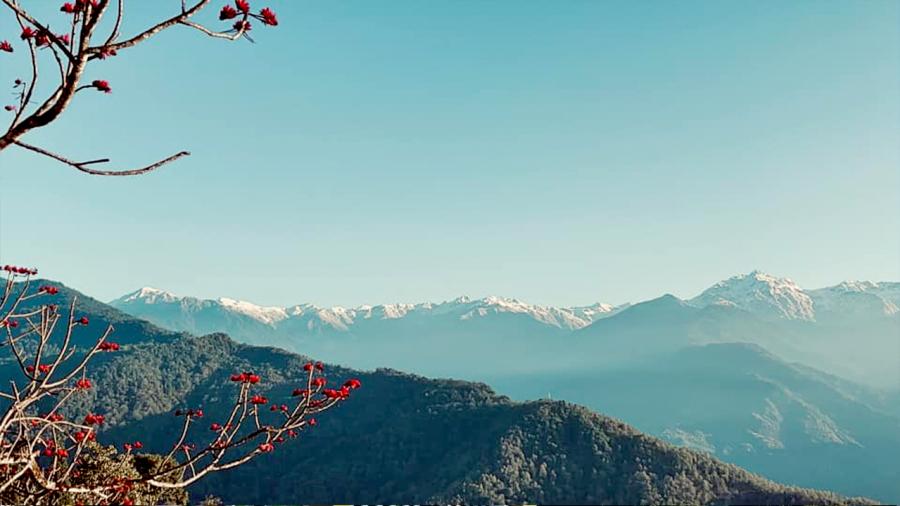
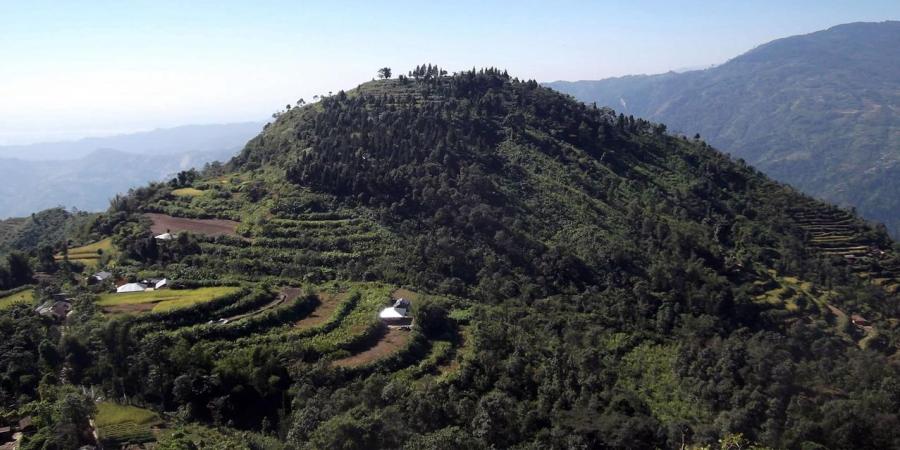
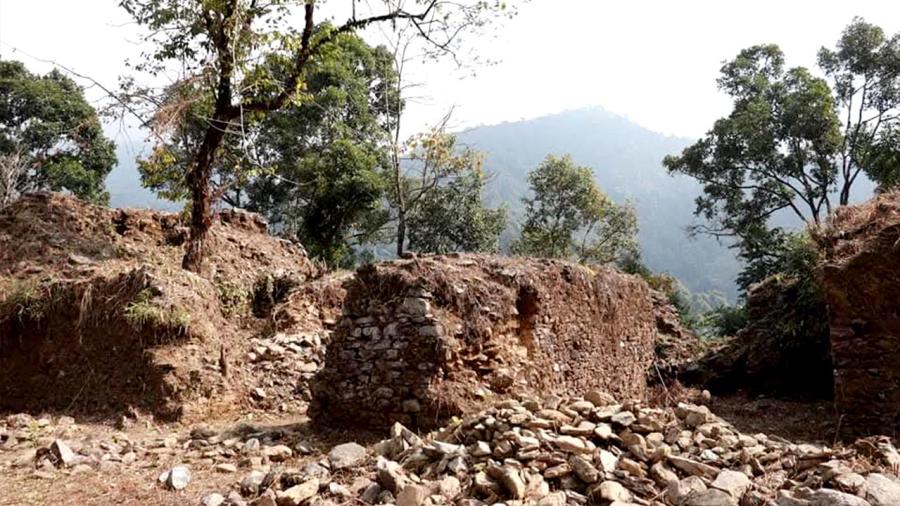
One of Gorubathan’s highlights is the Dalim Fort, resting atop a hill just above the main village. Though now in ruins, the fort offers stunning panoramic views of the surrounding landscape, perfect for history buffs and trekkers. Not far away, the viewpoint at Gorubathan Tar and Jhandi Dara rewards visitors with breathtaking sunrises and expansive views of the Dooars and Eastern Himalayan ranges.
Explore Gorubathan - Top Attractions & Places to Visit:
Day 1 (Landscapes)
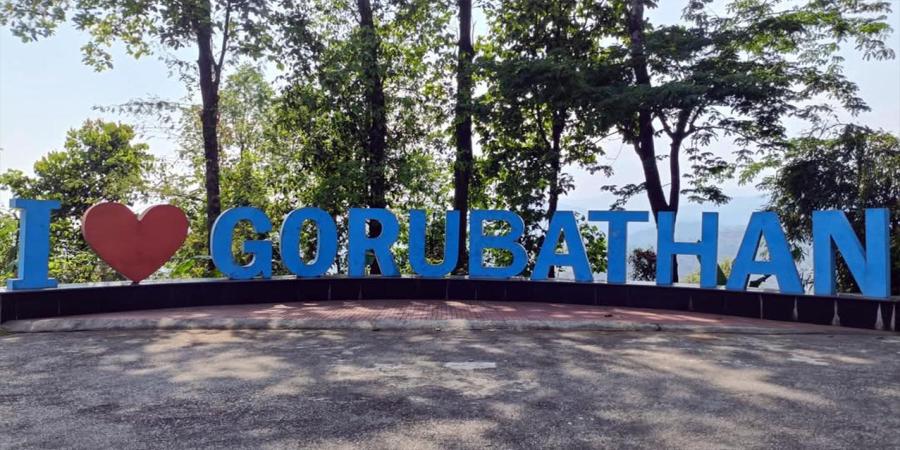
1. I love Gorubathan viewpoint
2. North Zone table land & Lepcha Maney
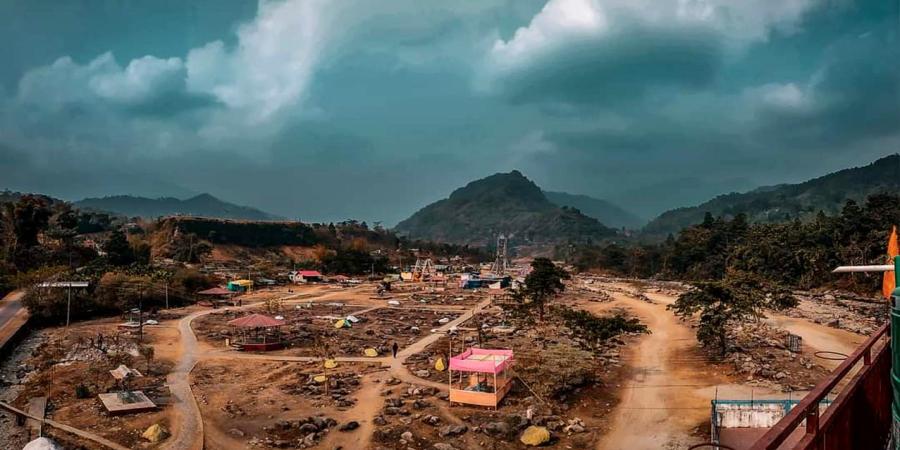
3. Chel riverbank & Titanic view point
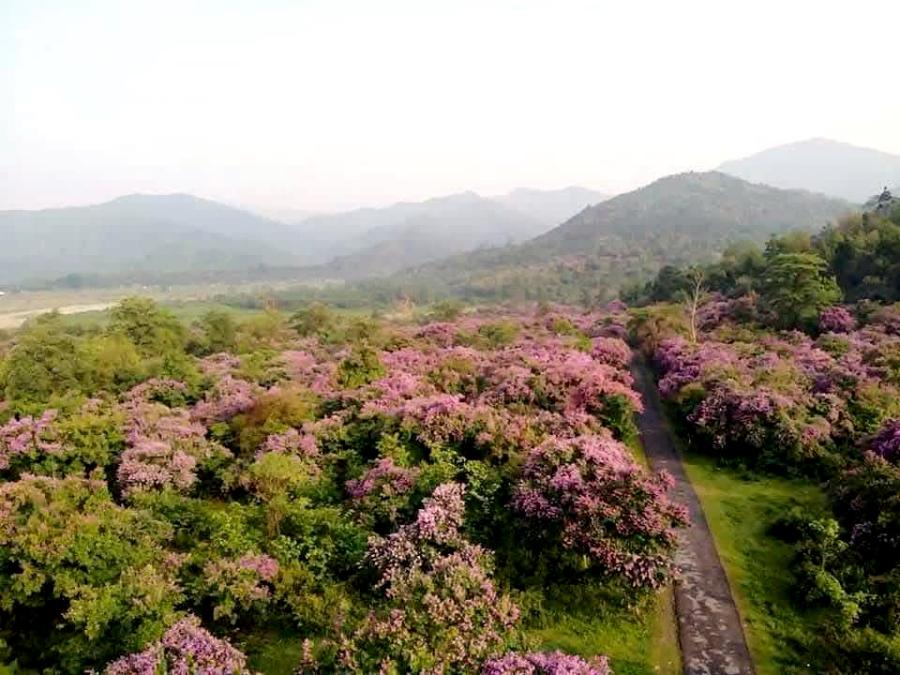
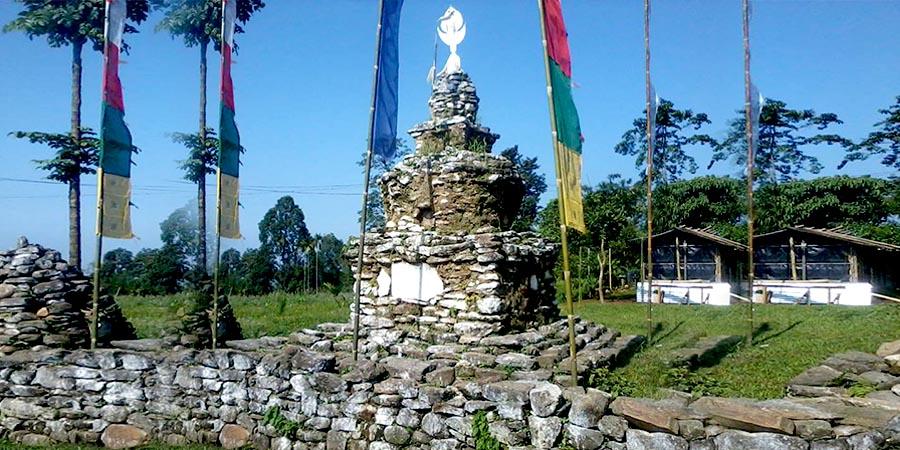
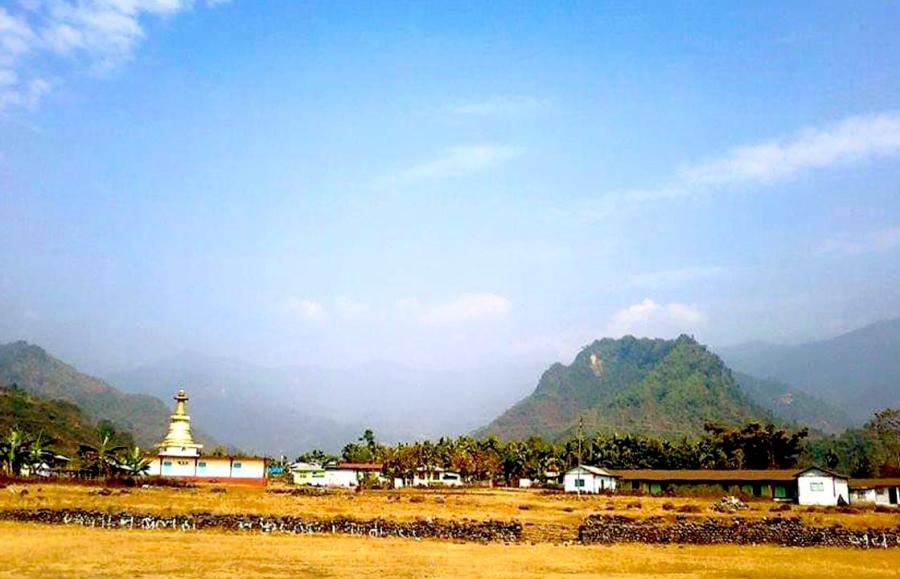
4. Deepankara Shanti Stupa & Upper Fagu Tea Garden, Jarul flowering in forest (Apr-May)
5. Chel hanging bridge
6. Ambiok tea garden
7. I love Ambiok signage & Buddha Park
8. Chitung Bridge (mother rock)
Day 2 (Wildlife Safari)
1. Mission hill tea garden & factory
2. Soureni hornbill Falls
3. Neora riverbank & Sakham micro hydel project
4. Sundar Busty viewpoint
5. Sakham - Mal 4 forest safari
Day 3 (Historic Fort, Lake & Religious Centers)
1. Dalimtar view point
2. Dalim Fort
3. Panch Pokhari
4. Ahalay Kabir math
5. Mal Busty Church
6. Mal Busty view point
Staying in Gorubathan
While Gorubathan may be a quiet town, it offers a welcoming stay through several homestays. These accommodations provide modern comforts and a warm, personal touch, along with the chance to experience local food and culture.
How to Reach Gorubathan
By Road:
You can easily reach Gorubathan by road from Siliguri, Malbazar, or Kalimpong. The route via NH-31 to Damdim, followed by the scenic road leading to Lava through Gorubathan, offers a beautiful drive.
By Train:
The nearest major railheads are New Jalpaiguri (NJP) and Siliguri Junction. From there, taxis or shared vehicles are readily available.
By Air:
Fly into Bagdogra Airport, which is the closest air link. Once you arrive, taxis can take you on a pleasant journey through the foothills to Gorubathan.
by Admin
26th Sep, 2024
5 mins Read
Best Time To Visit Gorubathan
The weather in the village is pleasant and relaxing all year round, making it a perfect destination no matter when you choose to visit. Each season brings its own unique charm and beauty for travelers to enjoy. Gorubathan is a truly special place you can explore any time of the year. So why wait? Plan your perfect getaway with us today!
by Admin
26th Sep, 2024
5 mins Read
Gorubathan – A Hidden Paradise for Butterfly Lovers
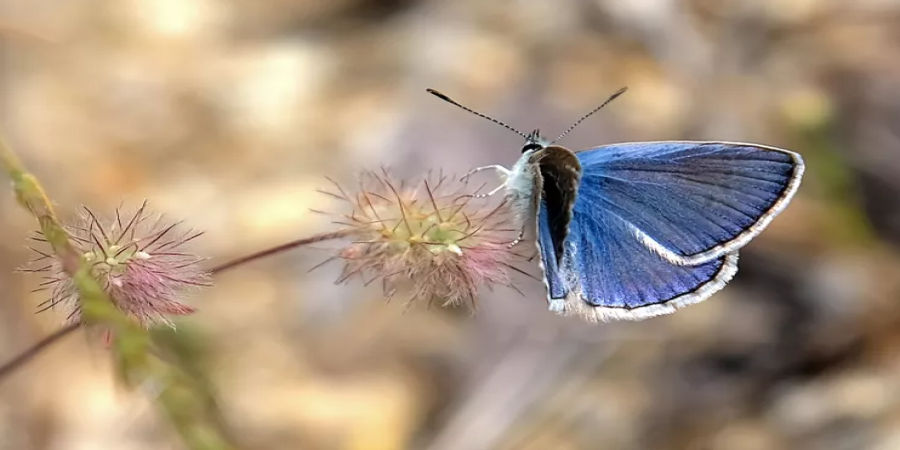
Gorubathan is not only a haven for nature seekers but also a treasure trove for butterfly enthusiasts. The region’s rich biodiversity and untouched forests make it an ideal habitat for rare and exotic butterfly species. On a quiet walk through the tea gardens or forest trails, you might witness vibrant wings fluttering in the sunlight — from the elusive Kaiser-i-Hind to dazzling swallowtails and blues. The gentle climate and abundance of wildflowers support these delicate creatures, turning Gorubathan into a living canvas of colors and life. For photographers, researchers, and dreamers alike, Gorubathan offers an unforgettable experience in the heart of the Eastern Himalayas.
by Admin
26th Sep, 2024
5 mins Read
Birdwatcher's Delight – Home to the Majestic Hornbills
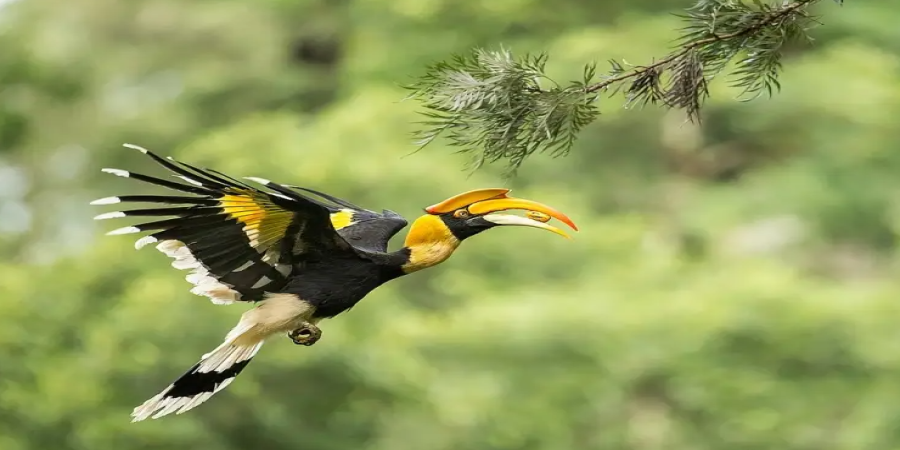
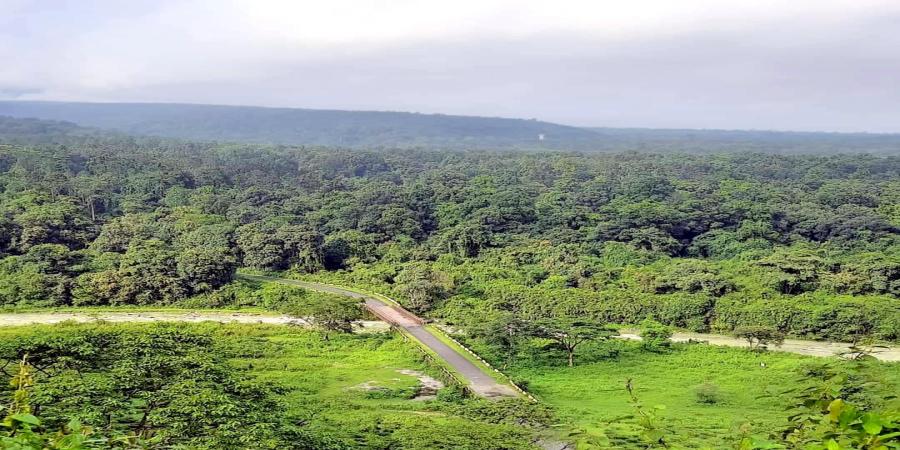
Gorubathan’s dense forests and vibrant ecosystem also make it a hotspot for birdwatching, especially for those hoping to catch a glimpse of the Oriental Pied Hornbill and the Great Indian Hornbill. These magnificent birds, known for their striking bills and echoing calls, are often spotted in the forested areas around Gorubathan, especially near rivers and old-growth trees. The Oriental Pied Hornbill, with its contrasting black and white feathers, and the Great Indian Hornbill, one of the largest and most iconic hornbills in India with its impressive yellow casque, are both indicators of a healthy forest. Their presence adds to the region’s rich avian diversity, attracting nature lovers, birders, and wildlife photographers from across the country.
Gorubathan at a Glance
Around Gorubathan
Other Regions
Ramdhura
2025-06-28 13:58:11
Rishap
2025-06-28 14:15:27
Chuikhim
2025-06-27 10:39:10
Reshi
2025-06-28 14:45:03
Sangser
2025-07-20 20:40:51
Paren
2025-06-12 12:04:12
Todey
2025-06-17 16:12:22
Lolay
2025-06-28 13:49:34
Kalimpong
2025-06-28 13:12:34
Chisang
2025-06-30 10:59:01
Kagey
2025-06-28 14:40:20
Tags

Your Next Adventure Starts Nearby
Explore Related Destinations
 New
New
Explore
Himalayas!
 % Offer
Explore
Himalayas!